Friday Five Episode 10
5 “zombie” technologies that rose from the dead

Bluetooth marketing

In the early days of mobile marketing, leveraging smartphones’ built-in Bluetooth antennae to broadcast marketing messages was all the rage. Today, new proximity-based Bluetooth technologies like iBeacon have picked up the torch from Bluetooth marketing, offering retailers an outlet to talk directly to consumers’ smartphones.
Bluetooth earpieces

Although Bluetooth earpieces from previous years earned a sour reputation, the popularity of ear-mounted audio input in the 2013 film Her brought the conversation around earpieces back to the forefront of people’s minds. Motorola released the Moto Hint, a minute Bluetooth earpiece that leverages Android’s built-in voice control features.

Email has earned a bad rap in recent years, as instant messaging has supplanted its usefulness for many team environments. But new ways to think about email from Dropbox’s Mailbox app and Gmail’s new Inbox have brought the conversation around email back to life, as companies reconsider how to manage and approach the age-old ubiquitous messaging platform.
“Smart” assistants
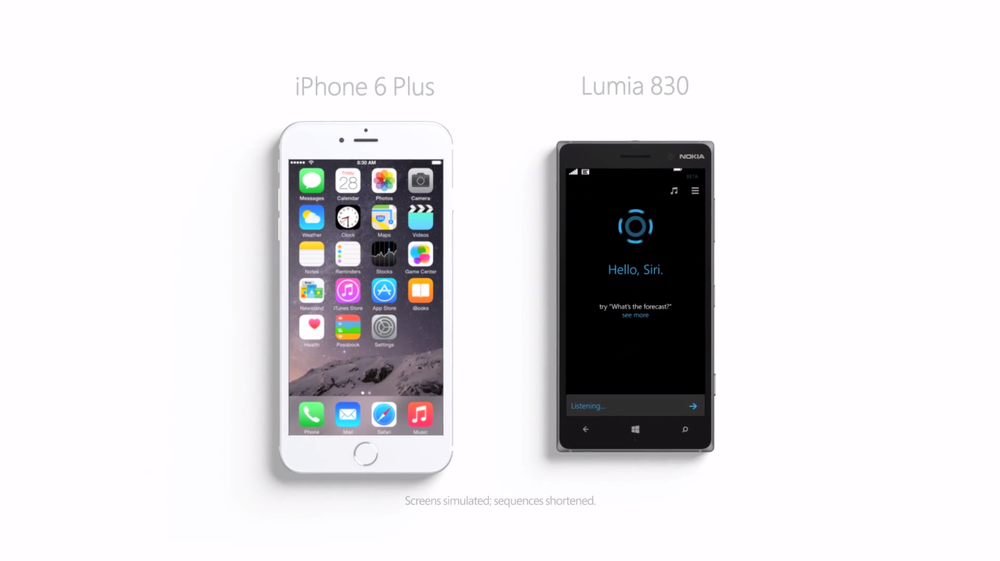
In the months before Windows 95, Microsoft invested in a new user-interface approach called Microsoft Bob. Bob was intended to humanize computation with friendly speech bubbles and an application manager designed after a user’s living room. Bob was short-lived, and so was Microsoft Office’s spiritual successor Clippy, but new virtual assistants like Siri, Google Now, and Cortana have brought “friendly” and “human” interfaces into the new millennium.
Hoverboards

Marty McFly hovered into our hearts in Back to the Future Part II’s rendition of the year 2015, but the public’s interest in the feasibility of hovering skateboards has waned in the decades since. But a new company called Hendo has built a working hoverboard based on technologies intended to save buildings from natural disasters. Now, DeLorean aficionados need only pony up $10,000 to ride around like their time-hopping hero.