Guillain-Barré syndrome
In spring 1982, my maternal grandfather was afflicted with a dangerous and strange condition known as Guillain-Barré syndrome. The syndrome left him paralyzed for weeks, during which time he was only able to communicate with his family by blinking his eyes for “yes” or “no,” so recuperation was extremely difficult. My grandpa made a full recovery—more of a testament to his willpower than to the prowess of modern medicine—but I’ve always been curious about this rare disease. What could cause a condition so dramatic? Is there anything one can do to avoid it? And—perhaps most importantly—does it run in the family?
The disease was first identified in 1859 by French physician Jean Landry, but it was Georges Guillain, Jean-Alexandre Barré, and Andre Strohl who lent their names to the condition after their research in 1916.1 They noticed a key abnormality in two afflicted soldiers who had increased production of spinal cord fluid (and apparently, poor Mr. Strohl’s participation wasn’t significant enough to be remembered by many).
According to The American Heritage Stedman’s Medical Dictionary, which lists Guillain-Barré under its more scientifically accurate title, “acute idiopathic polyneuritis,” mentions that the disease “usually follow[s] certain virus infections.”2 Other medical texts and dictionaries make a point to acknowledge the disease’s similarities to other forms of paralysis, sometimes foregoing a passage specifically dedicated to Guillain-Barré syndrome in favor of the frustratingly obtuse replacement, “see paralysis.”
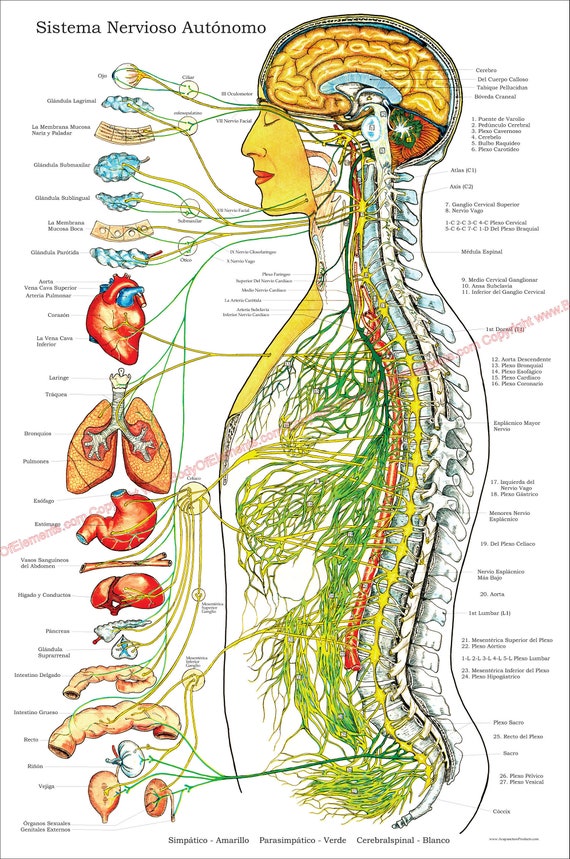
Guillain-Barré syndrome is a rare disorder caused when the body’s immune system attacks a part of the peripheral nervous system.3 Early symptoms include weakness or tingling in the extremities, which are early warning signs of the oncoming paralysis.3 Gradually, all feeling and movement in the limbs dissipates, usually beginning with the legs and lower body and extending incrementally towards the head. In the latest stages of paralysis, which my grandfather reached, patients are oftentimes only able to blink in order to communicate. Breathing oftentimes becomes impossible due to paralysis, and machine assistance is usually necessary.4
Guillain-Barré syndrome is caused by an excess amount of protein in the fluid that bathes the brain and spinal cord. This slows down the rate of neuron communication between the body’s muscles and the brain, leading predictably to paralysis.3 This excess amount of protein oftentimes has a correlation to the patient receiving a vaccination for a virus,4 as was the case with my grandpa.
He was going on a vacation to Hong Kong with my grandmother, and they were required to receive various vaccinations before they made their flight. After he got home, he was diagnosed with Guillain-Barré syndrome, most likely brought on by his immune system’s reaction to the viruses within the vaccines. Guillain-Barré syndrome is an autoimmune disease, meaning it involves the immune system attacking its own body’s systems as being foreign.3 More recently, there has been fear that vaccinations for the stomach flu during flu season might trigger Guillain-Barré syndrome in some of the patients receiving the vaccine.
As with all paralysis-related diseases or conditions, there are several first aid priorities to take into account. Breathing becomes virtually impossible when paralyzed, so breathing assistance in the form of machines becomes necessary. Joints and muscles tend to lock up in awkward or destructive positions with this form of paralysis, and so stabilizing the body’s extremities is also important. Eating and drinking is most usually and easily done through intravenous tubes; dialysis is necessary to be performed through machinery, as well.
The easiest way to prevent Guillain-Barré syndrome is to be frugal in the vaccines and medications you receive. Because of my grandfather’s experience, my mother has been especially careful when considering vaccines for myself and my brother. I’ve gotten a flu vaccine only once in my life because of her caution, and that was the year that all the news networks were predicting some sort of plague leading to apocalypse—suffice it to say that it was a false alarm. Despite Guillain-Barré syndrome being a frightening condition, it actually is relatively easy to safeguard yourself against contracting it.
Although Guillain-Barré syndrome is a dangerous and mysterious condition, it’s comforting to know that you can avoid contracting it by simply avoiding wanton vaccinations. Also, Guillain-Barré syndrome is extremely rare—affecting only one or two people in 100,000.4 And, thankfully, all signs indicate that Guillain-Barré syndrome isn’t hereditary, meaning that my family and I are at no greater risk for getting the condition than some random guy on the street. So I’ve got that going for me, which is nice.

-
Enerson, Daniel. “Guillain-Barré-Strohl syndrome.” Who Named It? 20 Feb 2009. ↩︎
-
Severynse, Marion. “Acute idiopathic polyneuritis.” The American Heritage Stedman’s Medical Dictionary. Ed. Marion Severynse. 1 vol. Boston: Houghton Mifflin, 1995. ↩︎
-
“Guillain-Barré syndrome fact sheet.” The National Institute of Neurological Disorders and Stroke. 22 Sep 2008. NINDS. 20 Feb 2009. ↩︎ ↩︎2 ↩︎3 ↩︎4
-
Mayo Clinic staff. “Guillain-Barré syndrome.” mayoclinic.com. 31 May 2007. Mayo Foundation for Medical Education and Research. 20 Feb 2009. ↩︎ ↩︎2 ↩︎3
-
Demoss, Dr. Bill. “The Autonomic Nervous System.” Demoss Chiropractic. 24 Feb 2009. ↩︎
-
“Cerebrospinal fluid analysis.” Gale Encyclopedia of Medicine. 25 Feb 2009. ↩︎
